












- Pest Insights
- 20 February 2026
The Winter Surge: Why Dubai's Pests Move Indoors When the Temperature Drops
Dubai winters feel mild to us but feel like a survival event to pests. Here's why indoor pest reports spike between November and February.
On this page
Dubai winters feel like a breath of fresh air to residents — a brief two months of windows open and outdoor dining. But to pests, the same temperature drop is a survival event. Outdoor species that thrive in 35°C heat suddenly find themselves looking for warm, dry indoor refuge. That is why pest control calls in the UAE spike between November and February.
Which pests are most affected
Four pest groups change behaviour markedly in winter:
Rodents — Norway rats and house mice move indoors as desert ground temperatures fall. Roof rats in particular look for warm ceiling voids and false-ceiling cavities. Calls about scratching sounds in ceilings double between November and January.
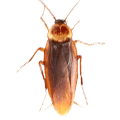
Cockroaches — Outdoor cockroach species (American cockroach, oriental cockroach) migrate into building drainage systems, basement carparks and warm utility rooms. From there they enter apartments through bathroom drains and floor traps.
Ants — Outdoor colonies relocate inside walls and under flooring, searching for stable temperatures. The Pharaoh ant, in particular, will set up satellite colonies inside electrical conduit during these months.
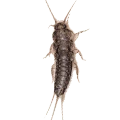
Silverfish — These thrive on the higher indoor humidity that comes with closed windows and reduced AC drying. Bathrooms, kitchen cabinets and bookshelves see more activity.
Why early action matters in November
Most indoor pest infestations that get severe by February began with a few unnoticed sightings in November. A single pregnant cockroach establishing herself in a kitchen void at this time of year can produce three generations of offspring before March.
What we recommend before the season:
- Seal entry points. AC condensate pipe penetrations, plumbing penetrations, broken floor drain covers and gaps under outer doors are the four most common winter intrusion routes.
- Check the bin room. Building bin rooms are the staging area for rodents to come inside. Make sure your tower’s bin chute closes flush and that doors seal.
- Inspect storage rooms. Cardboard boxes and old textiles attract silverfish and grain mites. Switch to plastic containers before winter.
- Listen at night. Scratching, scraping or rolling sounds in walls or ceilings during winter night hours are almost always rodents establishing a nest.
A scheduled winter visit pays for itself
Most professional providers offer a single November/December “winterproofing” visit that combines:
- External rodent station refresh
- Entry-point sealing audit
- Internal residual treatment of risk areas
- A 90-day warranty into the peak season
This is significantly cheaper than reactive treatment in January or February when populations have multiplied.
When to call right away
- Scratching sounds at night in walls or ceilings
- Droppings (roach or rodent) in pantry, behind appliances or under sinks
- A cluster of ants suddenly visible in winter that wasn’t there in summer
- Silverfish in stored books or wardrobe drawers
Book a winter pest control visit — quotes within 30 minutes, same-day visits available.