Active · Active year-round in climate-controlled UAE homes, Pantry moth peaks April to October when ambient pantry temperatures rise
Moths cause two completely different problems in UAE homes — and most residents don't realise they're dealing with two pests until damage is done. The Indianmeal (pantry) moth is the species we get called about most: Ramadan date stockpiles, bulk rice sacks and oat tubs sit in warm pantries for months and become breeding factories, with silk webbing forming on top of the grain. The clothes moth and case-bearing carpet moth attack a different target entirely — keratin fibres in wool, silk, cashmere, fur and the woollen rugs popular in majlis rooms — and the damage is rarely discovered until a winter unboxing reveals irregular holes across a stored sweater or rug edge. Supermarket moth balls and cedar blocks rarely stop an active infestation; they mask but don't kill. PestMan deploys species-specific pheromone monitoring traps to confirm the moth in question, applies targeted residual treatment to baseboards, cracks and wardrobe/pantry shelving, and provides a freezing protocol for valuable garments — all backed by a 6-month pest-free guarantee with unlimited free call-outs.
Damage shows as irregular holes in stored sweaters, scarves and rugs
The bane of high-end UAE wardrobes and inherited woollen rugs
Pantry Moth (Indianmeal Moth)
02
15–20 mm wingspan, bronze upper wings with grey base
Larvae infest flour, rice, oats, dates, nuts and dog food
Silk webbing on top of grain is the telltale giveaway
Most-called moth species in UAE — Ramadan stockpiles are perfect breeding conditions
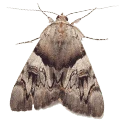
Carpet Moth (Case-Bearing Moth)
03
Mottled brown wings, 8–10 mm, three dark spots per wing
Larvae build a silk 'case' they drag around as camouflage
Damage in wool rugs, under furniture, in soft-furnishing cracks
Bare patches at carpet edges where it meets skirting boards
How it works
Our treatment process
01
Inspection & Species ID
Identify whether you have pantry, clothes or carpet moth using physical evidence and pheromone test traps — each species needs a different plan.
02
Source Removal & Cleaning
Discard infested grain or bag affected garments for freezing; deep-clean affected shelves, rug edges and wardrobe corners before any chemical step.
03
Targeted Residual Treatment
Apply municipality-approved residual to baseboards, cabinet seams and rug edges, with IGR mist inside wardrobes — odourless, food-safe formulations.
04
Pheromone Monitoring & 6-Month Warranty
Pheromone traps left in place for 8 weeks to verify clearance, plus unlimited free call-outs across the 180-day warranty.
Service tiers
Our moth services
01
Residential
Targeted treatment for villas and apartments with pantry, clothes or carpet moth — single visit, pheromone monitoring kit, 6-month pest-free guarantee.
02
Commercial
Programmes for grain warehouses, restaurants, dry-goods storage and luxury retail with documented pheromone trap counts and audit-ready records.
03
Emergency 24/7
Same-day response for severe pantry infestations or pre-event majlis-rug inspections across Dubai, Sharjah and Abu Dhabi.
moth control guide
Everything you should know
A short, honest field guide — what we look for, how we treat, and how to keep them out for good.
How to identify them
Clothes moth: 6–8 mm, plain golden body, prefers dark undisturbed corners
Pantry moth: 15–20 mm wingspan, bronze + grey two-tone wings, attracted to lights at night
Carpet moth: 8–10 mm, mottled brown with three dark spots, larvae carry silk cases
Silk webbing on top of grain bags, oat tubs or date boxes
Tiny silk 'tubes' or sand-grain-like cases on rug edges or wardrobe corners
Irregular small holes in wool, cashmere or silk garments — not straight cuts
Signs of infestation
Silk webbing across the surface of rice, oats or date boxes
Small moths flying out of the pantry when you open a cupboard at night
Tiny holes appearing in a stored cashmere or wool sweater pulled out for winter
Bare worn patches at rug edges, especially where rugs meet skirting boards
Cream-coloured larvae or silk cases inside wardrobe corners and behind drawers
Cocoons stuck to ceiling corners or top of wardrobe doors
Health & safety risks
No direct medical risk — moths do not bite or transmit human disease
Larval shed skins and frass can trigger mild allergic reactions in sensitive individuals
Infested grain becomes inedible and must be discarded — food safety waste
Damaged wool, cashmere and silk garments can cost thousands of dirhams to replace
Antique and Persian rugs lose structural integrity and resale value once larvae feed
The questions we hear most about moth control jobs in the UAE.
Do cedar balls and supermarket moth balls actually work?
Cedar blocks release a scent that repels adult moths but does not kill larvae — the active ingredient (cedrol) fades within 6–12 weeks, after which the block is essentially decorative. Traditional naphthalene moth balls do kill, but they release fumes that are now suspected carcinogens and are banned for indoor use in several EU countries. Modern paradichlorobenzene moth balls work in a sealed container but are useless in an open wardrobe. None of these address larvae already inside wool fibres. The honest answer: cedar and lavender are supportive only — primary control is vacuuming, pheromone monitoring and targeted residual treatment.
I bought sealed glass jars and the pantry moth still appeared in them — how?
The eggs were already in the product when you bought it. Pantry moth eggs are microscopic — about 0.3 mm — and they're commonly laid in flour, rice, oats and dates at the producer, warehouse or supermarket stage. You seal them into the jar yourself, and 7–14 days later they hatch into larvae that you can finally see. This is the single most common cause of 'mystery' pantry moth in spotless UAE kitchens. The fix isn't tighter jars; it's freezing newly bought dry goods for 72 hours at -18°C before storage, which kills any eggs hitchhiking from the supplier.
How do I tell clothes moth damage apart from a baby's accident, a snag, or carpet beetle damage?
Clothes moth damage is irregular small holes (2–5 mm) usually clustered in folds, armpits, collars or rug edges — anywhere larvae found a sheltered, dark, undisturbed spot to chew. Look for fine silk threads and tiny cream-coloured larval cases near the holes; that's the giveaway. Snags are clean linear pulls; baby messes leave staining; and carpet beetle damage looks similar but tends to be more spread across an open carpet surface and you'll find small mottled adult beetles or bristly larvae nearby. We bring a 30x hand lens and confirm species on site before quoting treatment because the chemicals differ.
Can my damaged cashmere coat be repaired or is it lost?
Depends on the size and pattern of the damage. Two or three small clustered holes in a non-visible area (inside the lapel, lower back, armpit) can be invisible-mended by a specialist tailor in Satwa or Karama using fibres pulled from a hidden seam allowance — usually AED 80–200 per hole. Extensive damage across the front panel or scattered holes throughout often costs more to mend than the garment is worth, and the structural weave is permanently weakened. Before mending, you must freeze the garment to confirm all eggs and larvae are dead — otherwise the repair fails six weeks later. We'll always advise treatment and freezing before you spend on a tailor.
Where should I hang the pheromone traps you provide?
Pantry moth traps go inside the cupboard or against the wall behind the pantry shelving — never near a window or in direct airflow, which disperses the lure. One trap covers about 25 m² of pantry space, so a typical UAE villa kitchen needs one trap and the dry-goods spare shelf needs another. Clothes moth traps hang inside the wardrobe at chest height, ideally near where wool garments are stored, one trap per wardrobe. Replace traps every 12 weeks — the pheromone lure expires and stops attracting males. The trap doesn't 'control' the infestation by itself; it tells us whether residual treatment worked and is the early warning system for re-infestation.
Does freezing infested clothes really kill the moths, and how do I do it properly?
Yes — freezing is the most reliable non-chemical kill for clothes-moth eggs, larvae and adults. The protocol: seal the garment in a thick plastic bag (squeeze out as much air as possible), place in a domestic chest freezer at -18°C or colder for 72 continuous hours, then let it thaw at room temperature for 24 hours, then refreeze for another 72 hours. The second freeze catches eggs that survived a single thermal shock. Don't use the fridge — fridge temperatures (3–5°C) just slow the lifecycle, they don't kill. After freezing, hand-wash or dry-clean the garment to remove dead eggs and larval debris.
Does it matter whether it's case-bearing carpet moth or webbing clothes moth in my rug?
Yes — the treatment differs in two ways. Webbing clothes moth (Tineola bisselliella) lays eggs across the surface and the larvae leave silk threads — you treat the open carpet face plus the dark underside. Case-bearing carpet moth (Tinea pellionella) lives inside a portable silk case the larva drags along — you find the cases concentrated at carpet edges, under furniture and along skirting boards, and the treatment focuses on those margins rather than the open face. The pheromone trap lures are also different — using a clothes-moth lure for a carpet-moth infestation gives a false negative reading. Correct species ID at inspection prevents an expensive misdiagnosis.
Will the wardrobe need re-treating every 6 months and what about the pantry?
Pantry treatment lasts a single full breeding season if you switch to sealed-jar storage and freeze new purchases — most clients don't see another pantry moth for 12 months or longer. Wardrobe treatment is different: clothes moths fly in from neighbouring apartments, hitchhike on second-hand wool, or get reintroduced via unwashed inherited garments — so re-infestation risk stays moderate. Our recommendation is annual residual re-treatment of wardrobes that store cashmere, silk or wool, plus continuous pheromone trap monitoring. The 6-month warranty covers free re-treatment if you see any moth in either zone during that window.