





PestMan — UAE Pest Control
Sector · WarehousesCommercialMonthly service contract (mandatory for food-safe operations)

Pest control for warehouses

Warehouses are inherently pest-prone: open dock doors, stacked pallets that go unmoved for weeks, food-grade and feed-grade goods stored together, and forklift-driven dust. PestMan provides full HACCP-aligned warehouse programmes including a mapped IPM grid, monthly station-by-station audits, swab-test documentation when required, and a single point of contact for facility managers. We cover cold stores, food and feed storage, distribution centres and light-industrial factories under the same HACCP-aligned grid.
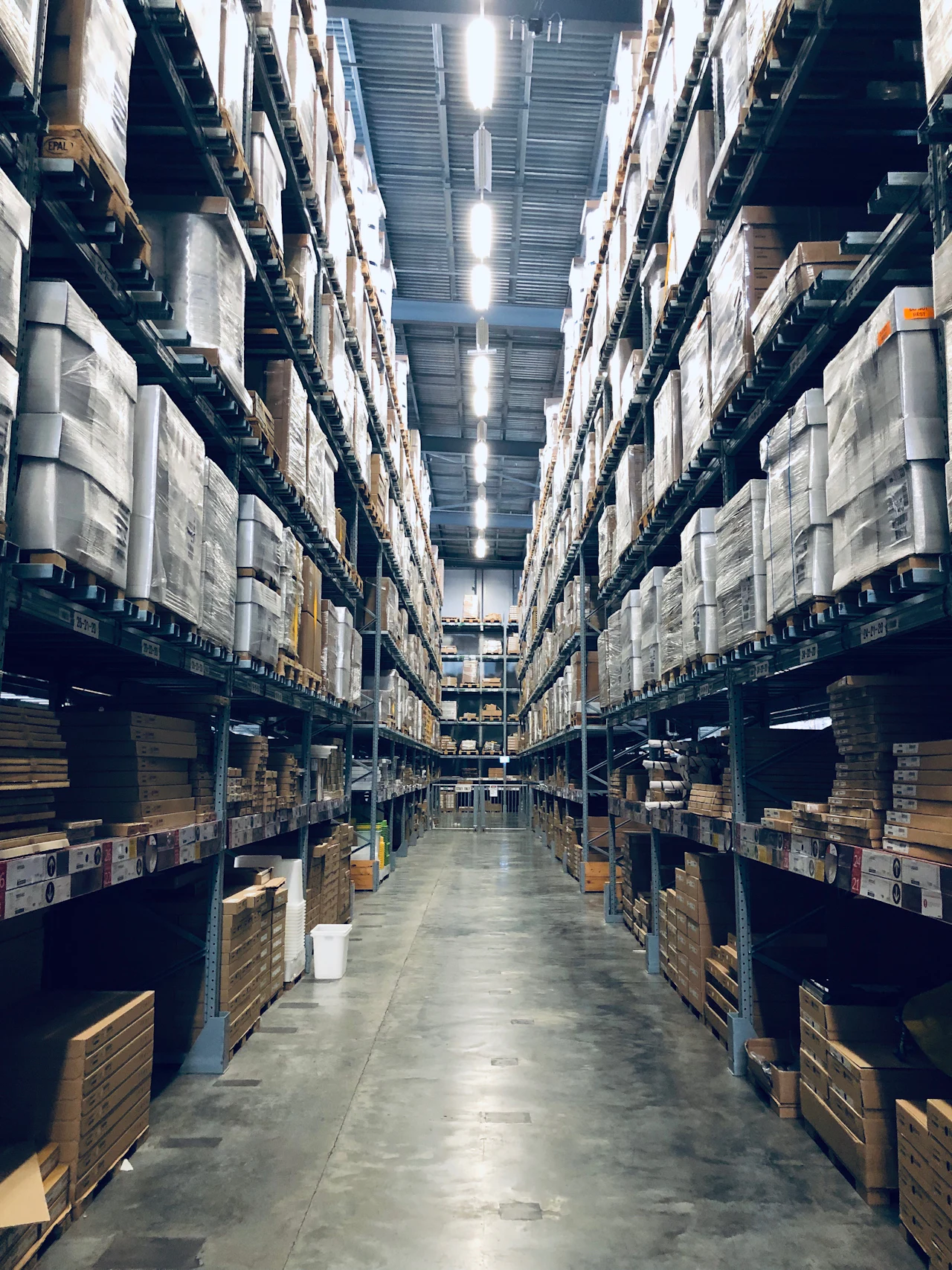
Warehouses
Warehouses
How we operate

Built for warehouses

A documented, audit-ready programme. Every visit logged, every protocol tied to UAE regulator requirements.

Compliance & certification


  • HACCP / ISO 22000 compatible reporting
  • BRC and AIB audit documentation
  • Dubai Municipality / Abu Dhabi Tadweer compliance

Treatment approach


  • Mapped bait station grid (typically every 8–10 m of perimeter)
  • UV light traps every 10 m in food-prep zones
  • Monthly station audit with photo log
  • Pallet rotation and 'first-in-first-out' coaching for staff
  • Annual sanitation gap audit
What it costs

Schedule & pricing

Typical schedule

Monthly service contract (mandatory for food-safe operations)

Pricing

From AED 800 / month for small warehouses to AED 3,500 / month for large bonded zones

FAQs

Frequently asked questions

The questions warehouses operators ask before signing a service contract.

What documentation do you provide for a HACCP, BRC or AIB warehouse audit?
Every PestMan warehouse contract includes an audit-ready file: a site map showing every numbered bait station, a monthly station-by-station inspection log with photos, trend graphs of catch counts, product safety data sheets with batch numbers, and our trade licence and technician certificates. This package is built to satisfy HACCP, ISO 22000, BRC and AIB auditors as well as Dubai Municipality and Abu Dhabi Tadweer inspections, and we can attend the audit in person if needed.
How are bait stations laid out in a warehouse, and how often are they checked?
We install a mapped IPM grid — external rodent stations typically every 8–10 metres around the perimeter and UV fly traps roughly every 10 metres in food-prep or pack zones, each station numbered and fixed to the floor plan. Stations are inspected and recorded monthly (more often for high-risk food-grade sites), so any rising catch trend is caught before it becomes an infestation. Monthly service is effectively mandatory for any food-safe operation.
We store flour, rice and animal feed — how do you control stored-product pests?
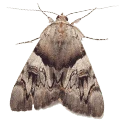
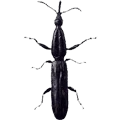
Grain mites, flour moths and beetles breed inside the product itself, so external baiting alone won't stop them. Our programme adds pheromone moth traps to detect early activity, inspection of pallet bases and racking voids where dust collects, and we coach your team on first-in-first-out stock rotation so nothing sits long enough to infest. Where a consignment is suspect, we advise on isolation rather than letting it contaminate clean stock.
Our dock doors stay open all day — how do you keep rodents and flies out?
Open docks and forklift dust are the two biggest pest drivers in UAE warehouses. We focus on the perimeter as the first line of defence with a continuous rodent station ring, position UV fly units to intercept insects near doorways rather than over open stock, and include an annual sanitation gap audit that flags proofing fixes — door brushes, strip curtains and sealing gaps around utility penetrations. Prevention at the envelope is far cheaper than treating an established infestation inside.
Need help today?

We're one call from your door.

Free quote in 30 minutes. Same-day visits across Dubai, Sharjah, Abu Dhabi & every other emirate.


Call WhatsApp Get free quote