Service · Pigeon & Bird treatmentMedium riskColumba livia domestica
Pigeon & Bird Control across the UAE
Humane pigeon proofing for UAE balconies, AC units and rooftops — netting, stainless spikes, post-and-wire and droppings clean-up. No poison, no harm to birds. Municipality-compliant.
Active · Feral pigeons breed year-round in the UAE — up to 6 broods a year with no true off-season, Roosting pressure peaks in summer as birds seek shaded balconies and AC-cooled wall surfaces
Feral pigeons (Columba livia) are the UAE's number-one bird problem — and unlike cockroaches or rodents they cannot be poisoned or trapped lethally: Dubai Municipality and the other emirate authorities require humane, exclusion-only control, so the entire job is about physically denying birds the ledges, balconies and AC voids they roost on. PestMan installs the full range of proofing — heavy-duty balcony netting, stainless-steel anti-roosting spikes, post-and-wire tension systems on parapets and signage, and optical/gel deterrents — sized to the building and hidden from street view wherever possible. The reason pigeons matter isn't just the mess: their droppings are mildly acidic and corrode AC condenser fins, render and metalwork; the dried droppings carry histoplasmosis and cryptococcosis spores plus salmonella; and every active nest hosts bird mites and ticks that migrate indoors through windows and AC chases once the chicks fledge. The single most common UAE call is pigeons nesting on the outdoor AC condenser or behind the unit on a villa wall — droppings clog the coil, the unit overheats, and the nest brings mites into the bedroom through the chase. PestMan surveys the whole building, proofs every roosting ledge in one mobilisation, then power-washes and disinfects the fouled surfaces — and because proofing is physical, the protection lasts years rather than needing a repeat spray. We also handle sparrows, mynahs and the occasional nuisance crow on the same exclusion principle.
Walk the building — balconies, AC units, ledges, roof and signage — to identify every active roost and entry point, then quote the right mix of netting, spikes and wire for each surface.
02
Nest & Droppings Clean-up
Remove nests and debris, then power-wash and disinfect fouled surfaces under containment with PPE — controlling the histoplasmosis spore risk before any proofing goes up.
03
Humane Proofing Installation
Install balcony netting, stainless spikes, post-and-wire or AC mesh sized to each surface — no poison, no traps, nothing that harms the birds. Most single-villa or apartment jobs finish in one visit.
04
Verification & 12-Month Warranty
Return visit to confirm zero re-roosting and re-tension any netting, backed by a 12-month workmanship warranty on the installed proofing.
Service tiers
Our pigeon & bird services
01
Residential
Balcony netting, AC-unit proofing and ledge spikes for villas and apartments — discreet, UV-stable materials, droppings clean-up included, 12-month warranty.
02
Commercial & Facilities
Towers, malls, warehouses, schools and mosques — full-building bird-proofing programmes, scheduled access with building management, documented clean-up and disinfection reports.
03
Emergency Clean-up
Same-day nest removal, droppings clean-up and disinfection where fouling has reached an AC intake, food area or high-footfall walkway.
pigeon & bird control guide
Everything you should know
A short, honest field guide — what we look for, how we treat, and how to keep them out for good.
How to identify them
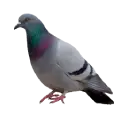
Feral pigeon: 30–35 cm grey body with two dark wing bars and an iridescent green-purple neck — the bird behind 95% of UAE complaints
House sparrow: small 14–16 cm brown bird that nests in AC chases, signage cavities and wall vents
Common mynah: 23–26 cm brown body with a yellow eye-patch and bill — aggressive, fouls balconies and shaded car parks
House crow: 40 cm black bird with a grey neck — raids bins and bird-feeders, nests on rooftop plant and palm tops
Active roost vs passing bird: droppings build-up, feathers and nest material below a ledge confirm a roost, not a one-off visitor
Signs of infestation
White-and-grey droppings streaking down a wall, parapet or AC unit, or pooling on a balcony floor
Twig-and-feather nest material wedged behind the outdoor AC condenser, on window ledges or in roof voids
Constant cooing at dawn and the clatter of wings landing on the same ledge every morning
AC running hot or tripping — droppings and nest debris clogging the condenser coil
Small biting insects (bird mites) appearing on a windowsill or bedroom wall near an external nest after chicks fledge
Feathers and droppings collecting on cars in a shaded car park or under a building canopy
Health & safety risks
Histoplasmosis and cryptococcosis — fungal spores grow in accumulated dried droppings and become airborne when disturbed during cleaning
Salmonella and E. coli shed in fresh droppings — a contamination risk on balconies, AC intakes and food-business rooftops
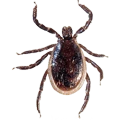
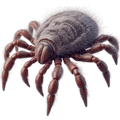
Bird mites and soft ticks from nests migrate indoors through windows and AC chases, biting residents for weeks after the birds leave
Allergens and ammonia from heavy droppings aggravate asthma and irritate eyes and airways
Slip hazard from wet droppings on walkways, stairwells and shaded car-park decks
Corrosion damage — acidic droppings pit AC fins, eat into render and rust metal railings and signage over time
Where you'll find them
Outdoor AC condenser units and the wall void directly behind them (the #1 UAE pigeon nest site)
Apartment and villa balconies — especially unused, shaded or upper-floor balconies
Window ledges, AC sleeve gaps and the tops of split-unit wall brackets
Parapet walls, roof edges, water-tank platforms and rooftop plant rooms
Building signage cavities, illuminated sign tops and shaded canopy steelwork
Mosque domes and minaret ledges, mall atrium beams and warehouse roof trusses
Covered and basement car-park beams, pipe runs and light fittings
When they're active
Feral pigeons breed year-round in the UAE — up to 6 broods a year with no true off-season
Roosting pressure peaks in summer as birds seek shaded balconies and AC-cooled wall surfaces
Nest-building visible spring and autumn; droppings and mites peak 2–3 weeks after each brood fledges
Mynah and sparrow nesting most active March to September in wall cavities and signage
Our treatment approach
Full building roost survey — map every fouled ledge, nest site and entry point and photograph for the proofing plan
Balcony and void netting — heavy-duty UV-stable HDPE net tensioned on a discreet perimeter cable, sized to the opening
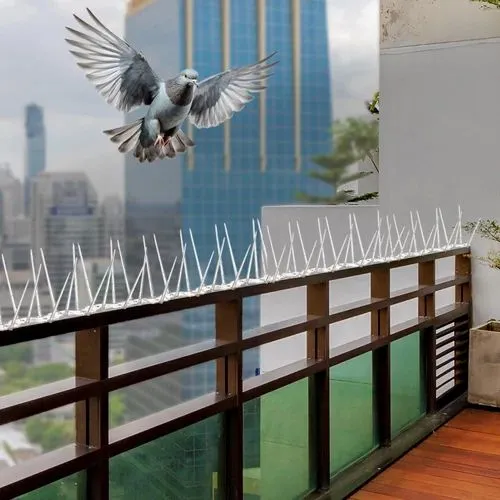
Stainless-steel anti-roosting spikes on parapets, ledges, signage tops and AC brackets — humane, birds simply can't land
Post-and-wire tension systems for low-profile ledges where spikes would be visible from the street
AC-unit proofing — mesh guards around condensers so birds can't nest behind or on the unit without blocking airflow
Optical gel deterrent discs and bird-repellent gel for beams and signage where fixings aren't possible
Nest and debris removal followed by power-wash and disinfection of fouled surfaces (spore-safe, PPE, contained run-off)
Prevention tips
Never feed pigeons from a balcony or window — one feeding household draws flocks onto the whole building
Fit a mesh guard around outdoor AC condensers before birds nest — far cheaper than a clogged-coil repair plus clean-up
Net unused and upper-floor balconies proactively — they're the first surfaces pigeons colonise on a tower
Keep bins lidded and clear food waste from shaded car parks and loading bays that attract mynahs and crows
Trim rooftop palms and dense planters where crows and mynahs nest
Inspect ledges and signage each spring and clear early nest material before a brood establishes
Prep & aftercare
Before & after your service
Before your visit
Send photos of the affected balcony, AC unit or ledge via WhatsApp before the visit — it lets us pre-cut netting and bring the right fixings
Clear personal items, plants and furniture off the affected balcony so we have full access to the perimeter
For apartments, notify building management — tower and high-rise work needs roof or façade access and sometimes a permit
Keep windows on the affected side closed during clean-up to stop airborne droppings dust and mites entering
Don't pressure-wash the droppings yourself beforehand — dry droppings release histoplasmosis spores; leave it to the contained clean-up
Move cars out from under the affected ledge or canopy for the day of the works
After your service
Leave netting and spikes untouched — they're tensioned and fixed to last for years; don't hang plants or laundry from the net cable
Expect a few displaced birds to circle the building for 2–3 days looking for the old ledge before moving on — this is normal
Wipe any residual dropping marks on tiles and railings with diluted bleach (1:10) over the first week once the surface is sealed and dry
Check the AC unit guard hasn't trapped debris after the first dust storm and clear the condenser face if needed
Report any bird landing inside the netted area within the warranty period via WhatsApp — we'll re-tension or patch free of charge
Keep balcony bins lidded and don't feed birds from the balcony — a single feeding spot undoes proofing on neighbouring ledges
The questions we hear most about pigeon & bird control jobs in the UAE.
Can't you just poison or trap the pigeons?
No — and no licensed UAE operator should offer to. Dubai Municipality and the other emirate authorities require bird control to be humane and exclusion-based; poisoning or lethal trapping of pigeons is not permitted and would also be ineffective, because new birds simply replace the ones removed within weeks. The only durable solution is to physically deny the birds the ledges and voids they roost on — netting, spikes, post-and-wire and AC mesh — so they relocate to somewhere they're tolerated. Because the proofing is physical rather than chemical, it keeps working for years with no repeat treatment, which is also why it's the better value over time.
There are pigeons nesting behind my outdoor AC unit — what's the risk and the fix?
This is the single most common pigeon call we get in Dubai. The risks are real: droppings and nest material clog the condenser coil so the AC runs hot and can trip or fail; the acidic droppings corrode the aluminium fins; and once the chicks fledge, the bird mites in the nest migrate indoors through the AC chase and bite residents in the bedroom for weeks. The fix is a two-step: we remove the nest and debris and disinfect the unit, then fit a stainless mesh guard around the condenser that blocks the bird from nesting behind or on it without restricting airflow. We size the guard so your AC technician can still service the unit. Most AC-unit jobs are completed in a single short visit.
Will balcony netting look ugly or break building rules?
Modern bird netting is far more discreet than people expect — we use a fine UV-stable mesh tensioned on a slim perimeter cable, colour-matched to the building, that's close to invisible from street level. For apartments and towers we coordinate with building management and owners' associations first, because many UAE communities have approved netting specifications and a permit process for façade work; we install to those specs so it passes. For villas there's usually no restriction. We'll show you photos of comparable installs in your community before we start so you know exactly how it will look.
Are pigeon droppings actually a health hazard or just unsightly?
Both, and the health side is underestimated. Dried pigeon droppings can carry the fungal spores that cause histoplasmosis and cryptococcosis — these become airborne when someone sweeps or pressure-washes the droppings dry, which is exactly why you shouldn't clean a heavy build-up yourself. Fresh droppings also shed salmonella and E. coli, and active nests host bird mites and soft ticks that bite people once the birds leave. That's why our process always cleans and disinfects under containment with PPE before we install proofing — removing the spore and mite reservoir, not just the visible mess.
How long does bird proofing last, and is there a warranty?
Because it's physical exclusion rather than a spray, quality proofing lasts years — our stainless spikes and post-and-wire are rated for a decade-plus in UAE sun, and the HDPE netting we use is UV-stabilised for long outdoor life. We back the installation with a 12-month workmanship warranty: if any bird lands or nests inside a netted area, or a section needs re-tensioning, we come back and fix it free. The main thing that defeats proofing is someone feeding birds from a nearby balcony, so we'll flag that if it's a factor in your building.
Do you handle sparrows, mynahs and crows too, or only pigeons?
All of them — the principle is the same exclusion approach, scaled to the bird. Sparrows nest in AC chases, wall vents and signage cavities, so we mesh those gaps. Mynahs foul balconies and shaded car parks and respond to spikes and netting on their preferred perches. Crows nest on rooftop palms and plant rooms and raid bins, so we combine nest clearance, bin management advice and roof-edge proofing. Pigeons are the bulk of UAE demand, but on a full-building survey we proof for whichever species is actually using each ledge.