Service · Grain Mite treatmentMedium riskAcarus siro, Tyrophagus putrescentiae
Grain Mite Control across the UAE
Microscopic mites that spoil flour, rice, dates and pulses in UAE pantries and warehouses — eliminated by food-safe fumigation and heat treatment. 6-month pest-free guarantee.
Active · Peak activity April through October when UAE humidity exceeds 65%, Coastal warehouses (Jebel Ali, Hamriyah, Mussafah) suffer year-round due to sea humidity
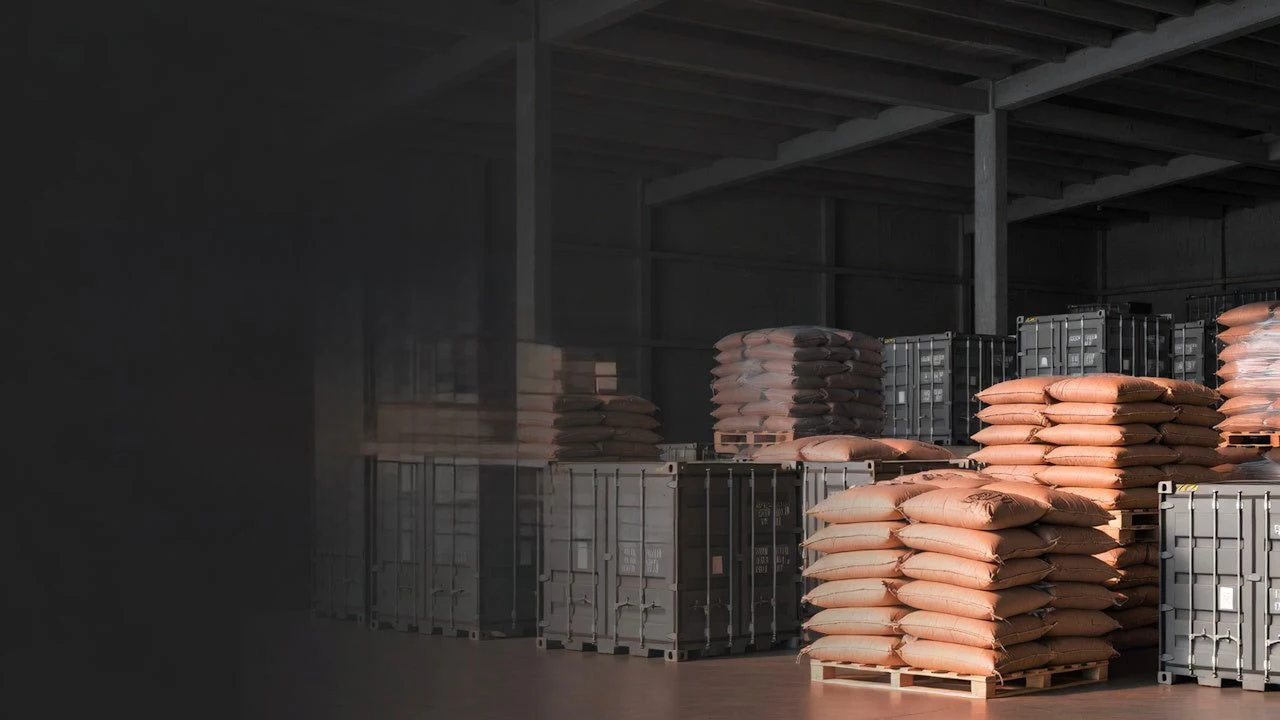
Grain mites are almost invisible — about 0.4 mm long — yet they cause some of the largest financial losses of any UAE pest. They contaminate sealed flour, rice, semolina, milk powder, animal feed and stored dates by piercing the kernel surface, releasing a sweet musty odour and a fine dust that builds up on shelves like cobweb residue. UAE humidity above 60% (almost every coastal warehouse and villa pantry) lets them double their population every 7 days, and they survive temperatures from 10°C to 32°C — so refrigeration only slows them, never kills them. For a wholesale flour importer, a single infested pallet can mean a five-figure write-off and a Dubai Municipality recall notice. PestMan eliminates grain mites with food-safe phosphine fumigation in sealed enclosures plus targeted heat treatment that ramps the storage area to 55°C without harming dry stock, backed by a 6-month pest-free guarantee with unlimited free call-outs.
Walk the pantry or warehouse with your store-keeper, identify contaminated SKUs, quarantine batches and document for insurance or QA records.
02
Treatment Plan Selection
Choose phosphine fumigation, heat treatment, or both based on stock value, packaging type and turnover speed — without harming usable inventory.
03
Execution & Aeration
Apply treatment with safety cordons, monitor gas concentration or temperature, then aerate to municipality re-entry levels before stock returns.
04
Follow-up & 6-Month Warranty
Day-14 monitoring visit with adhesive trap reading and humidity recheck, plus unlimited free re-treatments under the 180-day warranty.
Service tiers
Our grain mite services
01
Residential
Pantry-focused treatment for villa kitchens and apartments — safe diatomaceous earth and targeted spot heat to clear contaminated dry goods, with a 6-month guarantee.
02
Commercial
Warehouse-grade phosphine fumigation and heat treatment for importers, bakeries, supermarkets and food manufacturers — protects stock value and prevents recall losses, with audit-ready documentation.
03
Emergency 24/7
Same-day mobilisation when an infestation threatens a shipment, an inspection or a product launch — particularly during Ramadan stock build-up.
grain mite control guide
Everything you should know
A short, honest field guide — what we look for, how we treat, and how to keep them out for good.
How to identify them
0.3–0.5 mm pearly white to translucent body — invisible without a hand lens
Slow-moving 'walking dust' on the surface of flour or oat bins
Sticky pinkish-brown residue on the underside of jar lids
Sweet, minty-musty odour rising from infested grain — unmistakable once you know it
Fine talc-like dust along shelf edges and in pantry corners
Signs of infestation
Distinct musty-sweet smell when you open a flour bin
Cobweb-like grey film on the inside walls of dry storage containers
Rejected batches at QC because of off-flavour bread, pasta or biscuits
Itchy red welts on the forearms of staff who unload pallets — 'baker's itch'
Lumps and clumping in granulated sugar or milk powder stored over 30 days
Customers returning bagged rice with complaints of 'tiny moving white specks'
Health & safety risks
Spoils stored food — financial losses for bakeries, restaurants and importers
Triggers 'grocer's itch' / 'baker's itch' — itchy red dermatitis on hands and forearms
Causes respiratory allergy and asthma in sensitive staff handling infested stock
Releases allergenic faecal pellets that remain potent even after the mites die
Risks failed health-authority audits and forced product recalls
Cross-contaminates clean stock via shared scoops, shelves and trolleys
Where you'll find them
Flour, semolina, oats and bread-improver bags in bakery dry stores
Sealed pantry jars of rice, lentils, chickpeas and bulgur in villas
Date and dried fig bins in Ramadan-stocked retail stores
Pet kibble bags, bird seed and animal feed sacks in groomers and stables
Pallets at the back of cold-store anterooms where temperature drifts higher
Spice cabinets and dried herb storage in commercial kitchens
Cardboard packaging glue — an underrated mite food source in warehouses
When they're active
Peak activity April through October when UAE humidity exceeds 65%
Coastal warehouses (Jebel Ali, Hamriyah, Mussafah) suffer year-round due to sea humidity
Indoor air-conditioned storage at 22°C is still warm enough for steady reproduction
Population doubles every 7 days at 25°C with 70% relative humidity
Our treatment approach
Inspection with hand-lens and adhesive sample slides to confirm species and density
Food-safe phosphine fumigation inside gas-tight sheeting over infested pallets
Targeted heat treatment ramping the area to 55°C for 4 hours — lethal at every life stage
Diatomaceous earth dust at shelf joints — physical kill without chemical residue
Aerosol space treatment in empty cold-store anterooms between stock cycles
Sealing of cardboard-on-floor contact points where adults travel between pallets
Quarantine and disposal of stock exceeding the contamination threshold defined by your QA
Prevention tips
Hold pantry humidity below 55% — install dehumidifiers in storerooms during May–October
Transfer flour, rice, semolina, oats and pulses into airtight glass or food-grade plastic within 24 hours of delivery
Apply strict FIFO rotation and never leave a pallet over 90 days without inspection
Vacuum shelf joints and pantry corners every 14 days to remove allergenic mite dust
Train receiving staff to refuse pallets with visible cobweb-like residue or sweet musty odour
Keep cardboard packaging off the floor on pallets — adults migrate through cardboard glue
Prep & aftercare
Before & after your service
Before your visit
Remove and dispose of openly contaminated stock (visible mites, distinct musty odour) BEFORE the technician arrives
Photograph and document quarantined SKUs with batch numbers for QA, insurance and tax write-off records
Empty shelves of any food not part of the treatment plan — relocate to a clean area or pre-treatment quarantine
Provide a stockroom layout drawing showing pallet positions and ventilation points
Vacate staff and pets from the treatment zone; fumigation needs a 24-hour sealed period for warehouses
Switch off cold-store fans into the dry store anteroom 30 minutes before our arrival to stop heat loss during treatment
After your service
Keep humidity below 55% in pantries and dry stores — install a hygrometer and a dehumidifier if needed
Re-introduce stock only after we issue the all-clear reading; for fumigation that's a documented aeration certificate
Adopt strict FIFO (First-In-First-Out) rotation — mites colonise the back of the shelf where stock is forgotten
Decant flour, rice, semolina and pulses into glass or food-grade plastic with rubber gaskets — original paper sacks remain mite-permeable
Place adhesive monitor cards behind pallets and check weekly for the first 60 days — early detection prevents re-infestation
Schedule a pre-Ramadan inspection if you stock dates and dried fruit at scale
The questions we hear most about grain mite control jobs in the UAE.
How can grain mites contaminate flour that's in a sealed bag I just opened?
Mites enter at three stages before you open the bag. (1) During milling — they survive the mill's dry conveyors if humidity is high. (2) During warehouse storage — adults walk through the micro-perforations in paper sacks and chew through cardboard glue. (3) During transit — humid containers crossing the Gulf provide 14 days of breeding time. By the time the bag reaches your kitchen, mites are already inside. This is why high-volume bakers buy from suppliers who provide phosphine-fumigated certificates with each batch.
Is your treatment safe to use in a pantry where I still need to keep some food stored?
Yes — for residential pantries we use food-grade diatomaceous earth (the same powder approved for human consumption) at shelf joints and along skirting where mites travel. It kills physically by abrading the mite's cuticle, with no chemical residue and no withholding period. Sealed jars, canned goods and bottled items can stay on the shelf. Items in mite-permeable packaging (paper sacks, original cardboard) should still be transferred to glass or food-grade plastic before treatment. For commercial warehouses we switch to phosphine fumigation, which leaves zero residue after the aeration certificate is issued.
When do you use fumigation versus heat treatment — and can I have both?
Phosphine fumigation is best for tall stacked pallets, sealed containers and shipping consignments because the gas penetrates voids that heat can't reach. It needs a 24-hour sealed period plus aeration. Heat treatment (ramping the area to 55°C for 4 hours) is best for fixed dry-store shelving and open silos because it can be done overnight without unloading and is suitable for organic-certified facilities. We combine both on large warehouses: heat the room while the high-value pallets are simultaneously fumigated under sheeting. This double-strike approach is the gold standard before a major shipment or before Ramadan stock build-up.
Why are my warehouse staff complaining of itchy red welts on their forearms?
That's 'baker's itch' (or grocer's itch) — a dermatitis caused by direct skin contact with grain mites and their faecal pellets when handling infested pallets, flour sacks or oat bags. The mite proteins are powerful skin sensitisers. Symptoms usually appear within hours of unloading and clear within 24–48 hours once exposure stops. It's a strong workplace-health signal that you have a hidden infestation even if you can't see mites with the naked eye. UAE labour law requires you to investigate after the second complaint — our inspection report doubles as the documented investigation for your HR file.
Do I really have to throw out everything in the pantry, or can some stock be saved?
Most stock can be saved if treated quickly. Triage rule: (1) Visible live mites or musty smell — discard, even sealed packaging — the mite faeces are allergenic. (2) No visible mites but stored within 5 metres of an infested shelf — heat-treat at 55°C for 4 hours and keep with a 30-day adhesive-card monitor. (3) Stored in airtight glass with no shared scoops — typically safe to keep after a wipe-down of the exterior. For commercial stock we provide a written contamination assessment per SKU so you can claim the discarded inventory on your supplier's quality guarantee or your insurance.
How do I keep grain mites from coming back to my warehouse after treatment?
Three controls keep mites out. (1) Humidity — install industrial dehumidifiers to hold relative humidity below 55%; mites can't reproduce below 60% and starve below 50%. (2) Stock turnover — enforce strict FIFO and never let a pallet age past 90 days; we provide stock-rotation labels with traffic-light dates. (3) Receiving inspection — train your goods-in team to refuse pallets with visible cobweb-residue or musty odour; our two-hour staff workshop is included free with commercial contracts. Customers who implement all three see infestation rates drop by over 90% in the first 12 months.
Can your treatment generate the documentation I need for an HACCP or BRC audit?
Yes — and this is the main reason large bakeries and food manufacturers in JAFZA, Dubai Industrial City and KIZAD switch to us. Every commercial visit produces: (1) treatment certificate with active ingredient, batch number and concentration; (2) aeration / re-entry safety log signed by the team leader; (3) heat treatment temperature curve printout; (4) per-pallet contamination assessment; (5) staff awareness training attendance sheet. The bundle is accepted by Dubai Municipality, ADAFSA, BRC Issue 9, FSSC 22000 and HACCP auditors. We retain copies for 3 years so you can replay any audit cycle.
Will keeping infested flour in the fridge or freezer kill the mites?
Fridge temperatures (3–5°C) only slow grain mites — they survive happily and resume breeding when warmed back to room temperature. The freezer (-18°C or colder) does kill them, but only after a continuous 72-hour freeze of the entire bag, which most home freezers can't maintain near the door. Even after freezing, the allergenic faecal pellets remain in the flour and continue to trigger 'baker's itch' and respiratory reactions. Freezing is a useful quarantine step for small sealed bags but is not a substitute for treating the contamination source — the cupboard, shelves and seams.