PestMan — UAE Pest Control
Service · Fly treatmentHigh riskMusca domestica, Drosophila melanogaster, Psychodidae

Fly Control across the UAE

Disease-carrying flies that contaminate food, breed in drains and damage hospitality reputations across Dubai and Sharjah. 6-month pest-free guarantee.

Fly Control
The problem

The fly problem in the UAE.


Risk · High risk
Musca domestica, Drosophila melanogaster, Psychodidae
Active · House flies active year-round in air-conditioned UAE buildings, Fruit fly population explodes May to September — peak summer

Flies are the single biggest reputation risk in UAE food service — a single house fly is known to carry over 100 pathogens including Salmonella, E. coli and Shigella, transferring them onto plates and prep surfaces in seconds. House flies dominate kitchens and waste rooms year-round, fruit flies explode out of cafés and juice bars in summer, and drain flies breed inside the biofilm of floor traps even when surfaces look spotless. Most over-the-counter sticky strips only trap a fraction of the adults while the source — rotting organic matter and drain biofilm — keeps producing new generations every 7–10 days. PestMan combines source-elimination (drain biofilm digestion, waste-area sanitation), UV light traps positioned to industry standard, and food-safe residual sprays applied at resting zones, all backed by a 6-month pest-free guarantee with unlimited free call-outs.

Variants in UAE

Common fly types

  • House Fly

    01
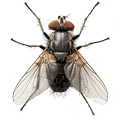
    • Grey thorax with four dark stripes, 6–7 mm long
    • Carries 100+ pathogens including Salmonella and E. coli
    • Drawn to cooked food, waste bins and pet droppings
    • Most common UAE fly — active in homes and food businesses year-round
  • Fruit Fly

    02
    • Tiny tan-coloured fly, 2–4 mm with red eyes
    • Breeds in ripe fruit, juice spills and recycling bins
    • A female lays up to 500 eggs that hatch in 24–30 hours
    • Surges in UAE summer months (May–September) and around Ramadan dates
  • Drain Fly

    03
    • Fuzzy moth-like body, 1.5–5 mm, weak flier that hops short distances
    • Larvae feed on the biofilm coating inside drains and floor traps
    • A clean-looking bathroom can still produce hundreds per week
    • Indicator of organic build-up in plumbing — not poor surface hygiene
How it works

Our treatment process

  1. 01

    Source Inspection

    Locate breeding sources — drain biofilm, fermenting waste, overripe fruit, grease traps — using torch and moisture readings.

  2. 02

    Trap & Spray Plan

    Map UV trap positions to industry standard (3 m apart, away from food, glue boards facing inward) and identify resting walls for residual spray.

  3. 03

    Treatment & Source Removal

    Apply enzymatic drain treatment, food-safe residual spray and install/service UV units — all with municipality-approved formulations.

  4. 04

    Follow-up & 6-Month Warranty

    Day-14 re-visit to refresh drains and replace glue boards, plus unlimited free call-outs across the 180-day warranty.

Service tiers

Our fly services

  • 01

    Residential

    Targeted treatment for villas and apartments where fruit flies, house flies or drain flies appear — single visit with a 6-month pest-free guarantee.

  • 02

    Commercial

    HACCP-aligned fly management for restaurants, hotels, warehouses and food-production facilities with UV-trap maintenance contracts and audit logs.

  • 03

    Emergency 24/7

    Same-day deployment for fly outbreaks before service hours — critical for restaurants facing a Dubai Municipality inspection or customer complaint.

fly control guide

Everything you should know

A short, honest field guide — what we look for, how we treat, and how to keep them out for good.

How to identify them


  • House fly: 6–7 mm, grey body with four dark thoracic stripes
  • Fruit fly: 2–4 mm, tan body with distinctive bright red eyes
  • Drain fly: 1.5–5 mm, fuzzy heart-shaped wings held tent-like over body
  • Larvae (maggots): cream-coloured legless grubs in bins and drains
  • Clusters around fruit bowls, bins, drains, and bright windows

Signs of infestation


  • Adult flies hovering near food prep counters or fruit bowls
  • Dark fly specks (vomit and faecal marks) on walls, ceilings and light fittings
  • Maggots in bin liners, under fridges or in slow drains
  • Repeated 'why is it suddenly full of small flies?' moments after lunch service
  • Sticky residue and odour around overflow drains and grease traps
  • Customer complaints in cafés and restaurants spike within 48 hours of breeding

Health & safety risks


  • Single house fly carries 100+ pathogens — Salmonella, E. coli, Shigella, Campylobacter
  • Transfers bacteria directly onto food via vomit, faeces and leg hairs
  • Triggers food poisoning outbreaks linked to UAE municipality penalties
  • Causes immediate reputational damage in restaurants, cafés and hotels
  • Spreads conjunctivitis (eye infection) when landing on faces of children
  • Drain fly larvae have been linked to occasional respiratory irritation in basements

Where you'll find them


  • Kitchen waste bins, recycling stations and back-of-house dish areas
  • Fruit bowls, juice bars and dessert display counters
  • Floor drains, grease traps and overflow gullies
  • Around outdoor seating, bins and skip stations of cafés and hotels
  • Warehouse loading bays and food-distribution cold-chain doors
  • Pet food bowls, litter trays and rabbit hutches in villas

When they're active


  • House flies active year-round in air-conditioned UAE buildings
  • Fruit fly population explodes May to September — peak summer
  • Drain flies steady all year in shopping malls, hotels and basement plant rooms
  • Outdoor surge during the November–March cool season for café terraces

Our treatment approach


  • Inspection to identify the species and trace breeding source (waste, drain biofilm, fruit)
  • Drain treatment with enzymatic biofilm digester — kills the egg-laying surface, not just adults
  • Industry-standard UV light insect traps placed away from food zones with sticky glue boards
  • Food-safe residual spray at fly resting zones (walls above bins, behind dishwashers)
  • Knockdown space treatment in waste rooms and grease trap chambers
  • Restaurant-grade bait stations near loading bays and bin areas
  • Co-ordinated waste-management advice so the source isn't replaced weekly

Prevention tips


  • Take bin bags out every night and rinse the bin weekly with hot water and a degreaser
  • Store ripe fruit in the fridge during summer months — counter-top fruit bowls are a magnet
  • Pour 500 ml of enzymatic drain cleaner down each floor drain every 14 days
  • Fit fly screens on opening windows of villas and ground-floor apartments
  • Keep grease trap covers sealed and schedule professional grease trap pumping quarterly
  • Train waiters to clear plates within 5 minutes — exposed food is the primary fruit-fly attractant
Prep & aftercare

Before & after your service

Before your visit

  • Empty all kitchen and bathroom bins and take liners outside before the technician arrives
  • Move fruit bowls into the fridge for the day; close fermenting items (kombucha, dough)
  • Pour boiling water down each floor and sink drain the morning of the visit
  • Wipe down counters where you've seen specks so we can spot fresh activity
  • Move pet feeding bowls and water dishes off the floor for the duration of treatment
  • Brief staff in restaurants that UV traps will be relocated — keep glue boards untouched after install

After your service

  • Ventilate the kitchen for 30 minutes after residual spray dries (typically 45 minutes)
  • Leave the new UV traps switched on 24/7 — they need overnight runtime to catch the species you don't see at lunch
  • Replace UV glue boards every 30 days; we'll quote a maintenance contract if you'd rather we do it
  • Do not bleach the treated drains for 7 days — the enzyme bacteria need time to colonise the pipe
  • Take the bin liner out every single evening, even weekends, for the first 30 days
  • Log any continued sightings via WhatsApp so we can return under the warranty before adults lay eggs
FAQs

Frequently asked questions

The questions we hear most about fly control jobs in the UAE.

How do I tell whether I have house flies or fruit flies — and why does it matter for treatment?
House flies are 6–7 mm with a grey striped thorax and hang around food prep, bins and waste. Fruit flies are tiny (2–4 mm), tan with bright red eyes, and hover specifically over fruit, juice spills and recycling. The species dictates the treatment: house flies need UV traps + residual spray on resting walls, while fruit flies need drain treatment and source removal because adults live only days but eggs hatch in a single juice puddle within 24 hours. Drain flies (fuzzy, moth-like) are a third common UAE species and need enzymatic drain treatment instead.
How often should the UV light traps in my restaurant be serviced?
Glue boards must be replaced every 30 days minimum — saturated boards stop catching flies and become a HACCP audit fail. UV tubes themselves degrade after 7,000 hours (roughly 9–12 months) — they look like they're still glowing blue but the wavelength flies actually detect has dropped by 60%, so we replace tubes annually. We swap glue boards monthly on commercial contracts, photograph each board for your audit log and replace the tube on the anniversary visit. Restaurants on our maintenance plan never miss a board and pass their Dubai Municipality grade renewals first time.
Will your treatment plan help my restaurant pass a Dubai Municipality HACCP audit?
Yes — that's the use-case our commercial programme is built around. We provide a fly management plan document (English and Arabic), a UV trap map showing distances from food zones, signed service tickets with batch numbers of approved actives, glue board photo logs, and pest sighting trend graphs. Dubai Municipality, ADAFSA and Sharjah Municipality inspectors all accept our documentation. We also brief your duty manager on what to say if the inspector asks about pest control — we've done over 800 audit-day site visits.
My drain looks clean but tiny flies keep appearing — what's going on?
Those are drain flies (sometimes called moth flies). Their larvae feed on the biofilm — a thin gelatinous coating of grease, hair and food residue that sticks to the inside of the pipe just below the drain opening. You can scrub the visible chrome and still leave the breeding surface intact 2 cm down the pipe. Bleach disinfects but doesn't dissolve biofilm. We use an enzymatic biofilm digester that the technician pours into each drain and lets sit overnight, followed by mechanical brushing on a flexible rod. Most drains are biofilm-free within 48 hours.
Why am I seeing flies indoors in December and January?
UAE winters look cool but indoor temperatures rarely drop below 21°C — comfortable breeding conditions for house flies. Drain flies don't care about outdoor weather at all because they breed inside heated plumbing all year. The cooler outdoor air also pushes adult flies indoors through opening doors. Cluster fly behaviour (mass winter migration) seen in cooler countries doesn't apply here. If you're seeing winter flies it usually means an indoor source — a forgotten potato in the pantry, a slow drain, or a dead bird in a roof void. Inspection finds it.
Is the '100 diseases per fly' claim real or marketing exaggeration?
It's real. The figure traces back to a 1958 WHO bulletin and was confirmed by more recent genetic sequencing studies — a single house fly can carry 100–650 distinct bacterial species on its body and inside its gut. They include Salmonella, E. coli O157, Shigella, Campylobacter, Helicobacter pylori, and the eggs of intestinal worms. The fly doesn't just land — it regurgitates digestive enzymes onto food to liquefy it before sucking it up, transferring pathogens directly into your meal. Two-second contact is enough to inoculate a sandwich.
How do I keep flies out of my café terrace during peak summer?
Outdoor seating is the hardest fly environment in UAE because you can't enclose it and the heat drives breeding cycles down to 7 days. The five-layer approach we run for outdoor café clients: (1) bin enclosure 15 m+ from seating with self-closing lids; (2) ceiling-mounted high-velocity air curtains over the connecting door; (3) outdoor UV-A units along the perimeter; (4) timed fogging of vegetation strip before opening; (5) staff trained to clear glasses with sugary residue within 3 minutes. Doing one or two of these has minimal effect; doing all five drops customer complaints by 80%+.
I already have fly screens on my windows — do I still need professional treatment?
Fly screens are exclusion — they stop new flies entering, which is excellent. But they don't address two routes: (1) flies that come in via opened doors and shopping bags from outside, and (2) flies that breed indoors from sources like fruit, bins, drains and pet food. Treatment addresses the indoor breeding while screens stop the influx. The two together are the gold standard. If you have screens AND a 6-month treatment, you typically go from 'I see flies daily' to 'I see one or two a month' — but screens alone almost never get there because the indoor breeding source isn't touched.

Need help today?

We're one call from your door.

Free quote in 30 minutes. Same-day visits across Dubai, Sharjah, Abu Dhabi & every other emirate.

Call WhatsApp Get free quote